

A quick guide to who’s in charge, what they do, and why it matters.
Parliament is where Aotearoa’s big decisions are made, from passing laws to deciding how taxes are spent.
It exists to represent the people, hold the Government accountable, and keep democracy fair.
What is Parliament?
Parliament has three parts. The House of Representatives is made up of 120 MPs we elect. The Governor-General represents the King and signs new laws. The Sovereign, or the King, has a symbolic role that is carried out through the Governor-General. Together these parts form the law-making body of Aotearoa.
What does Parliament do?
Parliament has four main jobs.
Debates Bills, votes on them, and passes new laws for Aotearoa.
Questions Ministers, investigates decisions, and checks how power is used.
Votes on the Budget and decides how tax money is allocated.
MPs speak for local areas and bring people's voices into Parliament.
Who’s who in Parliament?
The Prime Minister leads the Government, supported by senior ministers in Cabinet. The Government is formed by the party or parties with the most seats. The Opposition challenges their work, while other MPs, often called backbenchers, represent their local areas and vote on laws.
The three branches of power
Power is shared so no single group can control everything.
Makes the laws by debating Bills and voting on them.

Carries out the laws and runs public services and programmes.
Interpret the laws, resolve disputes, and protect people's rights.
A Week in Parliament
On sitting days, usually Tuesday to Thursday, MPs question ministers, debate Bills, and vote on them. Select Committees, which are smaller groups of MPs, examine Bills in detail and hear from the public before final decisions are made.
Why It Matters
Parliament’s decisions shape everyday life: the health system, schools, housing, transport, even road rules. Understanding how it works helps people have a say, challenge decisions, and take part in democracy.
Parliament’s power is not unlimited. It must follow the law, respect human rights, and uphold Te Tiriti o Waitangi; principles that protect our communities and keep decision-making fair. The more we know about what Parliament does, the more we can hold it accountable and make sure it acts in the best interests of community and whānau.
More Resources
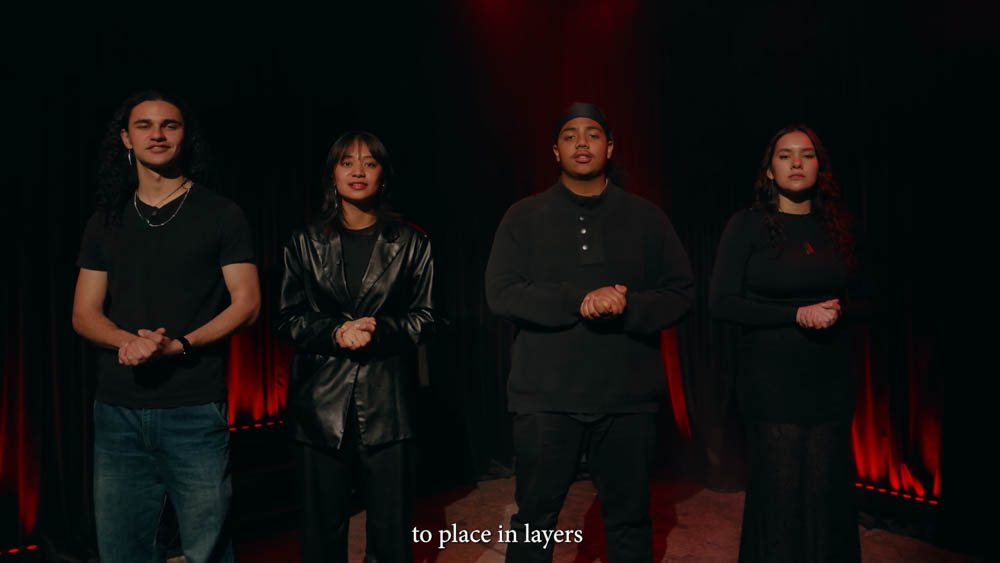
Whakapapa of Politics in Aotearoa
Rehekōrero explores where politics in Aotearoa comes from, our whakapapa of decision-making, kōrero, and power.
How to Contact People in Power
A clear guide on who to contact, how to find their details, and what to say when raising an issue.
What is Capital Gains Tax (CGT)?
Labour is proposing a Capital Gains Tax on profits from investment property sales. Here's what it means, who it affects, and why it matters for Māori and our communities.